3d dam
digital asset management
3d workflow
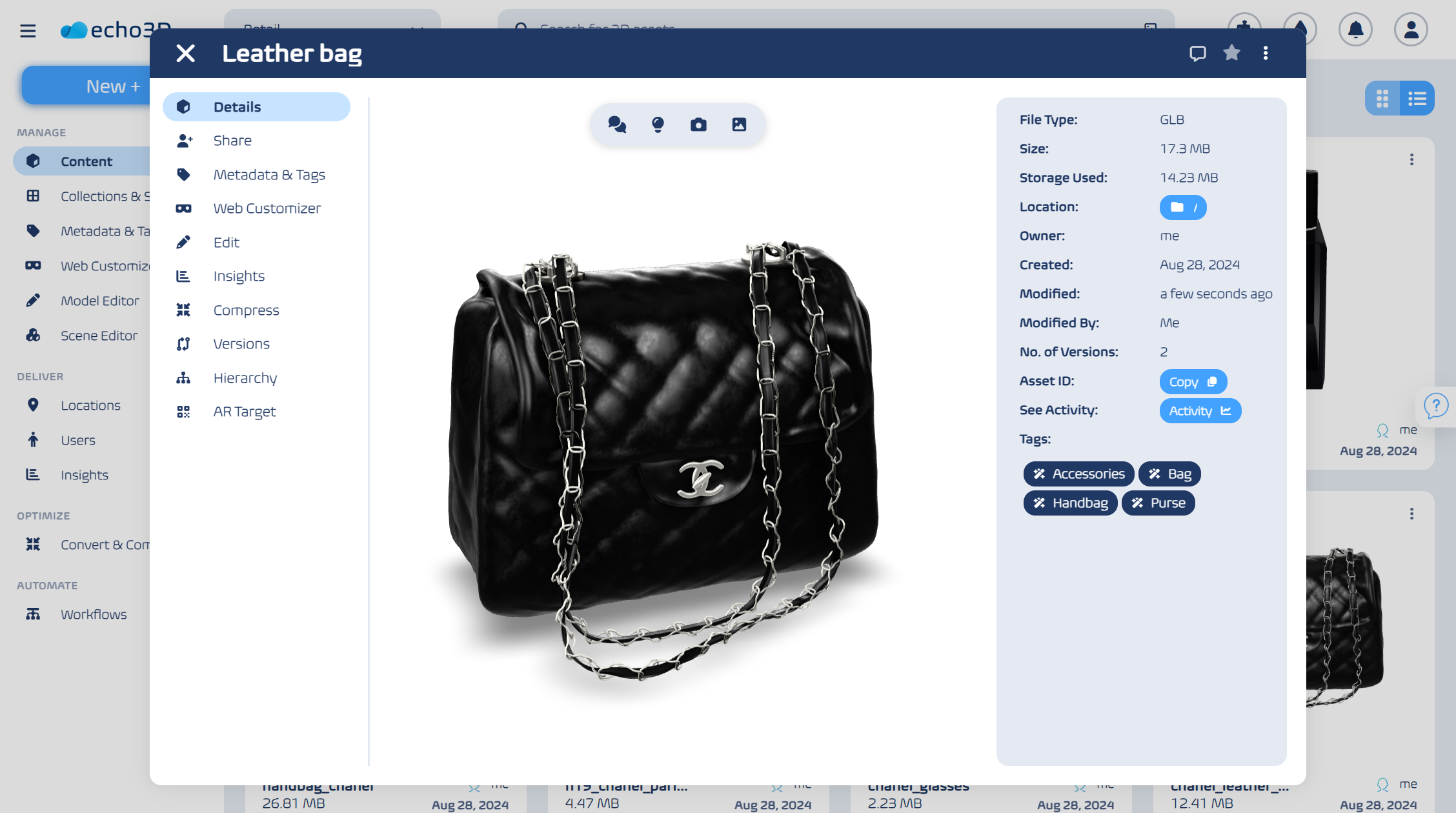

Before your team launches its next immersive campaign, you must address the operational reality behind the creative magic. Once the rendering is complete and the photos are retouched, how do you secure, manage, and distribute those high-value files?
This is where Marketing Asset Management (MAM) software becomes the backbone of a modern enterprise strategy. As brands increasingly rely on 3D content, digital twins, and complex visual data, a unified system is no longer optional—it is critical.
We are all familiar with the "creative entropy" that follows a brainstorming session. The excitement of a new concept quickly devolves into logistical chaos. Teams get bogged down by scattered directories, confusing filenames like Final_Render_v4_REAL_FINAL.glb, and the gradual dilution of brand identity.
However, the stakes are higher today. With the introduction of 3D models and digital twins into the marketing mix, file complexity has exploded. You aren't just looking for a JPEG; you might be hunting for a specific USDZ file for an AR experience or a raw CAD file for a product render.
This disorganization is a massive drain on capital. Marketers often waste hours trying to locate a specific product iteration. Is the correct texture map on a local drive? Is the approved 3D asset in an email thread? Studies suggest that assets are frequently recreated from scratch simply because the originals—whether they are logos or complex 3D environments—cannot be found.
Marketing Asset Management (MAM) software is the solution to this fragmentation. It is far more than a cloud storage locker; it is a sophisticated "Source of Truth" for every visual asset your enterprise commands.
Think of a MAM system as a specialized curator for your digital studio. This system knows the exact location of every video, vector, and digital twin. It understands who has permission to access the raw 3D geometry versus the marketing-ready render, and it tracks the entire version history.
Implementing this level of control offers distinct advantages:
Accelerated Workflows: Teams stop searching and start creating, leveraging pre-approved 3D content for rapid "virtual photography" generation.
Absolute Consistency: Ensure that the exact digital twin specifications are used across all channels, from e-commerce web viewers to metaverse activations.
Unified Collaboration: 3D artists, marketers, and external agencies access a single, secure library.
Enhanced Security: Granular controls protect proprietary product designs and unreleased visual data.
Below is a breakdown of common friction points in creative operations and how a MAM platform resolves them, specifically addressing modern content types.
| Everyday Creative Problem | The Marketing Asset Management Solution |
| Lost Assets | Intelligent Discovery: Metadata ensures you can find the latest version of a file instantly, whether it's a 2D banner or a 3D product mesh. |
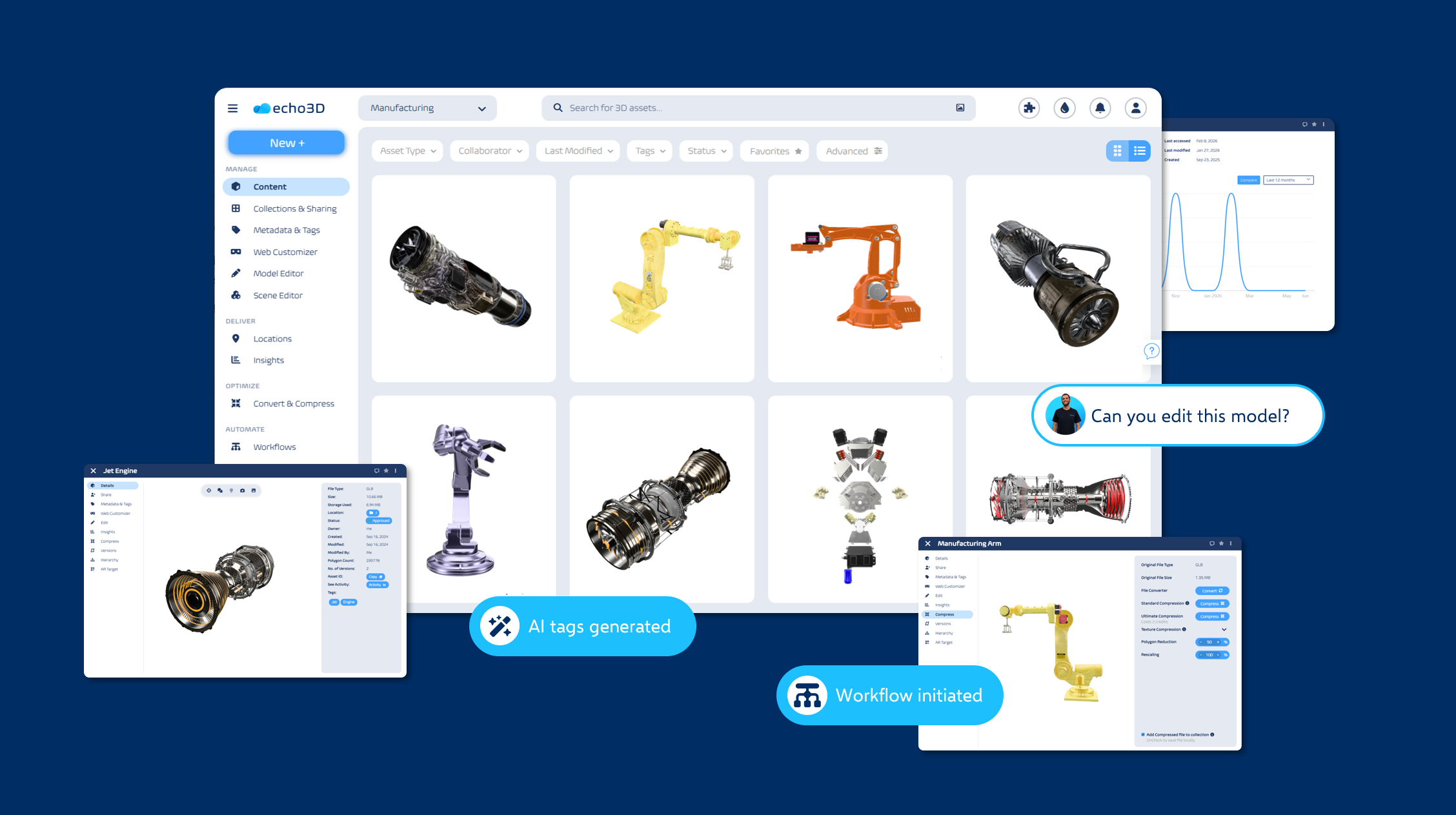
| Incompatible Previews | 3D Visualization: Integrated viewers allow non-technical staff to rotate and inspect 3D models and digital twins without needing specialized software like Blender or Maya. |
| Brand Dilution | Controlled Access: Strict permissions ensure only approved brand kits, textures, and environments are used, maintaining visual integrity. |
| Transfer Headaches | Secure Portals: Eliminate distinct file transfer services. Share massive rendering files and project folders via secure, trackable links. |
| Compliance Risks | Rights Management: Embed usage rights directly into the metadata, ensuring you don't use an expired model or unlicensed texture map. |
Let’s strip away the buzzwords. Imagine a global launch is imminent. The web team needs the GLB file for the website's 3D viewer, and the social team needs high-res renders of the same product.
Without a MAM, this is chaos. With a MAM, it is seamless. This concept is the Single Source of Truth. It means there is one official, verified home for every asset.
A robust ecosystem organizes and connects your most critical resources:
Brand Guidelines: The definitive rulebook for logos, typography, and color codes.
3D Models & Digital Twins: A library of product geometry, materials, and textures, ready for usage in virtual photography or AR.
Campaign Collateral: Bundled assets for specific marketing pushes, ensuring message alignment.
Legal & Licensing: Usage rights attached directly to the files, mitigating legal risk.
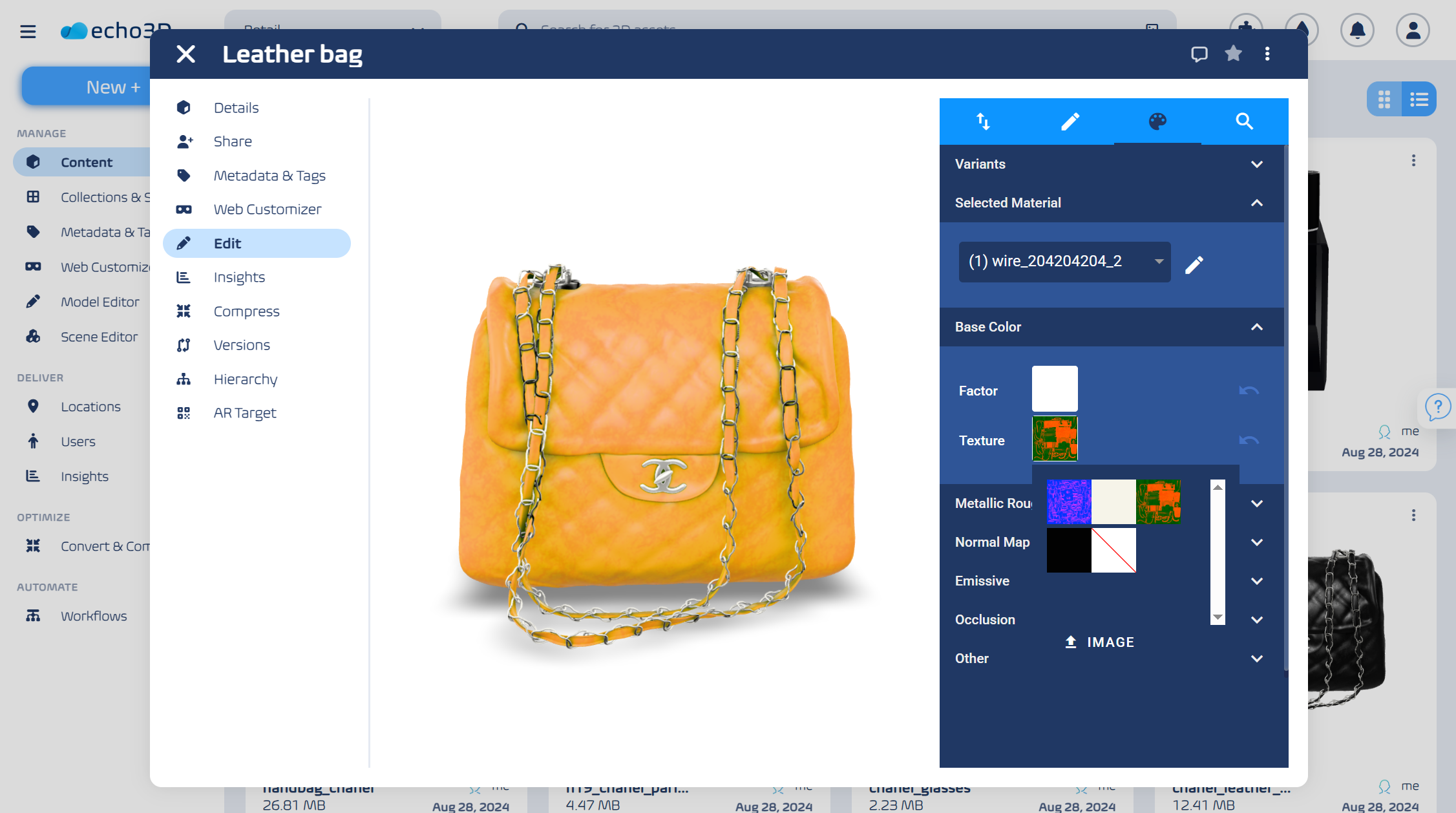
Modern MAM software distinguishes itself through specialized features designed to handle the weight and complexity of today's media.
Finding a file shouldn't be a scavenger hunt.
Auto-Tagging: AI-driven tools analyze content to tag images and 3D files automatically (e.g., "leather texture," "armchair," "4K").
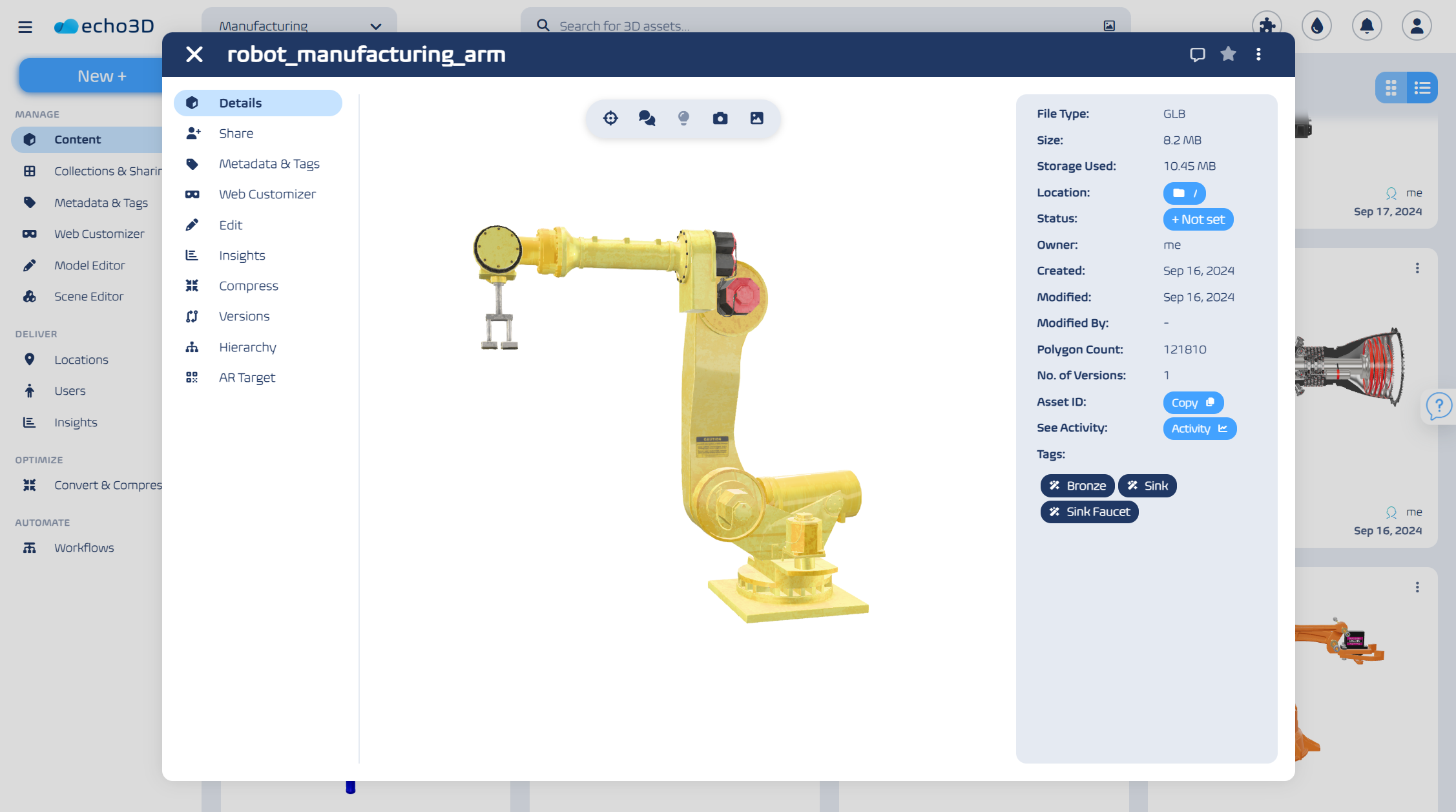
Custom Metadata: Create fields specific to your workflow, such as "Polygon Count," "Material Type," or "SKU."
Content Recognition: Use OCR and image-to-text converters to make text within images searchable.
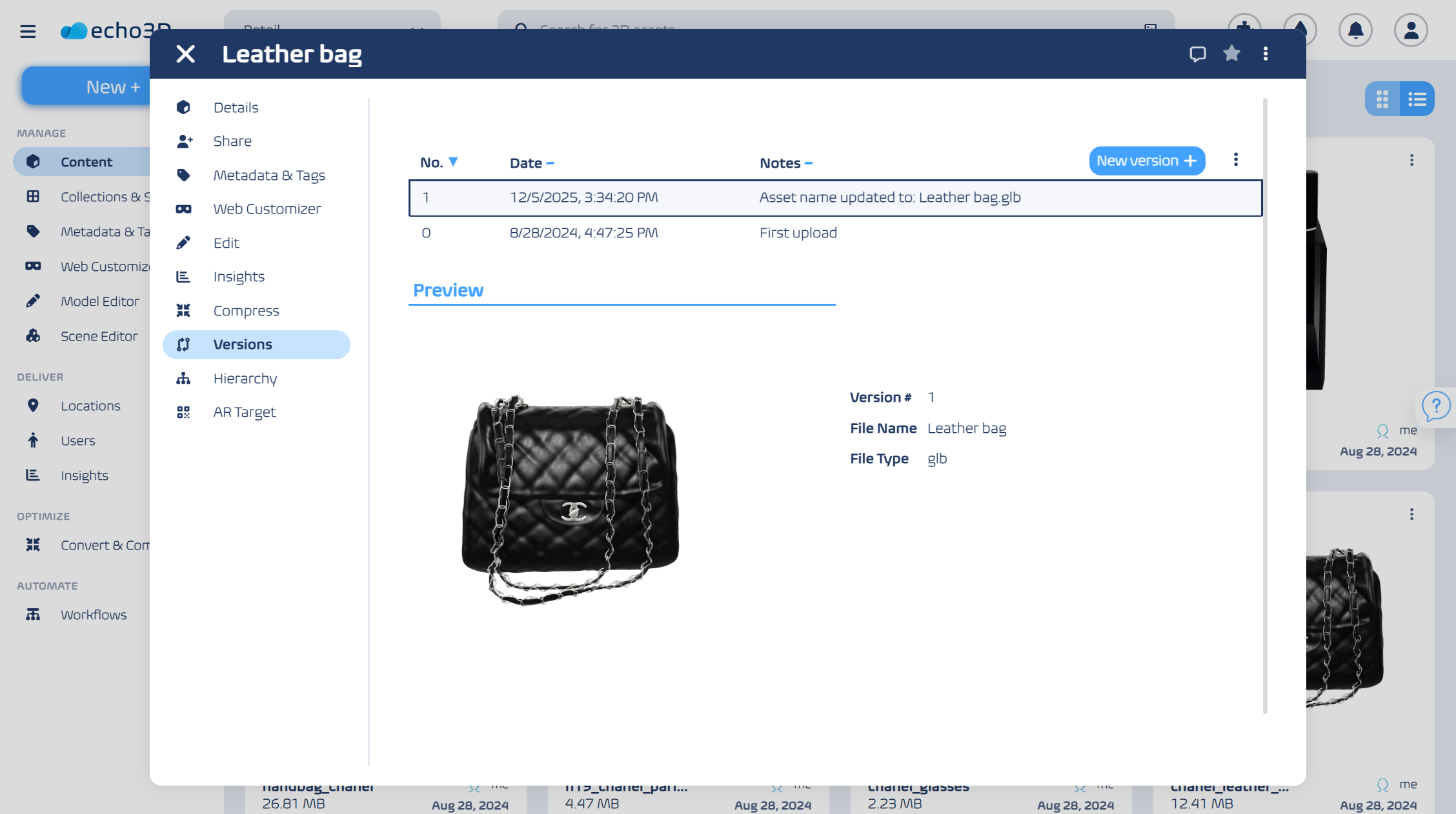
In 3D pipelines, versioning is critical. A MAM system stacks new iterations over old ones—tracking the evolution from a wireframe to a textured model to a final render. This ensures no one accidentally publishes an unfinished prototype.
Not every user needs access to your raw IP. You can configure roles so that external agencies can see only specific campaign folders, while internal designers have access to the full repository of digital twins.
Adopting MAM software is a strategic pivot that transitions your team from reactive file management to proactive creation.
When your digital twins are organized and accessible, you unlock the ability to generate marketing content at scale. Instead of scheduling a physical photoshoot, a marketer can locate the product's 3D model in the MAM and request a new render angle or environment. This significantly reduces time-to-market and production costs.
With complex licensing for stock 3D assets and textures, compliance is paramount. MAM software acts as a watchdog, alerting you if a license is expiring or if an asset is restricted to specific geographical regions.
Choosing the right platform is a foundational decision. When evaluating vendors, look beyond basic storage.
3D Capability: Does the platform support 3D file formats (OBJ, FBX, GLB, USDZ)? Can it preview these files in the browser?
Scalability: 3D assets are large. Will the storage costs skyrocket as your library of digital twins grows?
Integrations: Does it connect natively with your creative tools? Look for integration with the Adobe Creative Suite, as well as 3D tools like Blender, Unreal Engine, or Unity.
Given that you are storing high-value IP (proprietary product designs), security is non-negotiable. Ensure the provider offers robust encryption (at rest and in transit) and adheres to compliance standards like GDPR.
To ensure your team embraces the new system, consider a phased rollout. Start with a "pilot team"—perhaps the group handling 3D visualization—to stress-test the workflow.
Foundational Steps:
Taxonomy: Define a clear folder structure and metadata strategy before uploading.
Asset Champions: Appoint internal experts to drive adoption and answer questions.
Training: specific training on how to handle new media types within the system is crucial.
By organizing your assets effectively, you create a launchpad for future innovation. A well-managed library is the fuel for AI-powered creation and immersive marketing experiences.